RE//Forge SF 2026: Building Smarter Recap
A Developer-Founder Conversation on AI, Budget Certainty & the Future of Construction
At Quotr.ai, we believe the best conversations happen when the right people are in the same room. Last Wednesday, we got to find out if that was true.
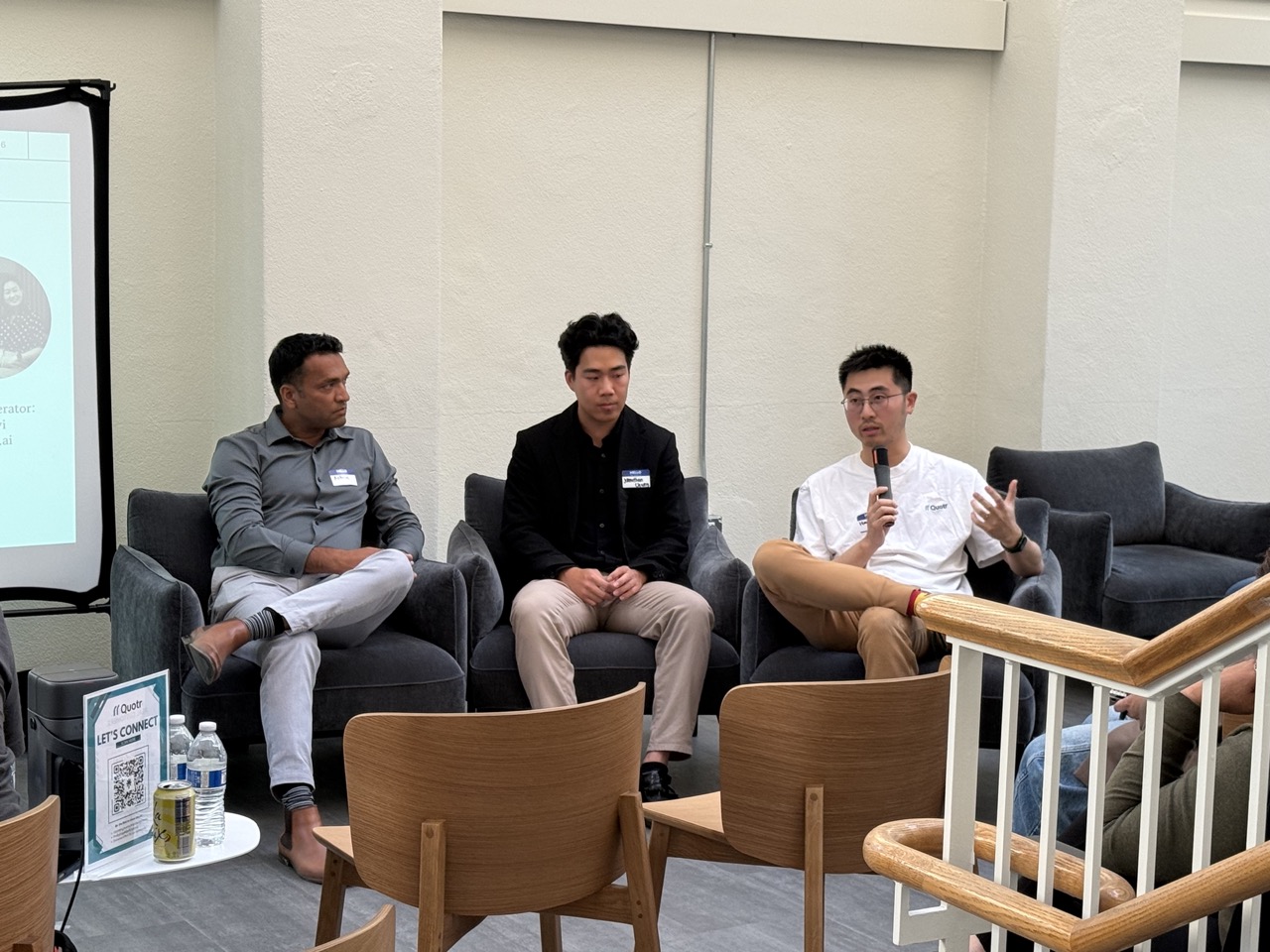
In partnership with RE//Forge SF as part of Real Estate x AI Week, we hosted Building Smarter: A Developer-Founder Conversation — an evening bringing together real estate developers, builders, and investors for an honest discussion about AI, budget certainty, and where the construction industry is actually headed.
This is our recap of what happened, what the room cared about most, and what it means for the future of development.
What Is RE//Forge SF?
RE//Forge SF is a community built at the intersection of real estate and technology in the Bay Area. Real Estate x AI Week brought together founders, operators, and investors to explore how AI is reshaping the industry — not in theory, but in practice.
Our event was one of those conversations.
Who Was in the Room
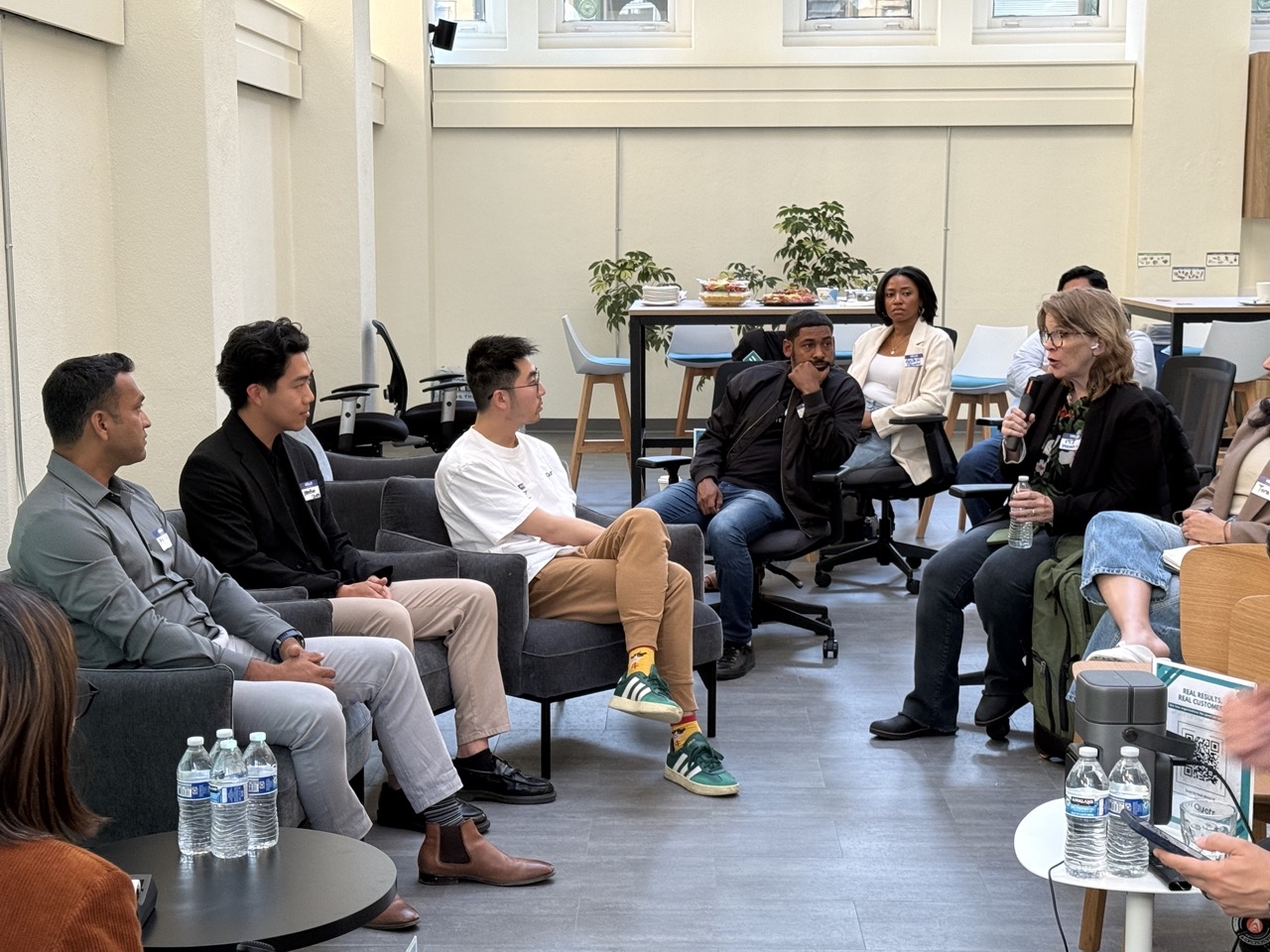
The audience was largely made up of active real estate developers and investors operating in the Bay Area market. These are people who deal with rising material costs, shifting scopes, and lender relationships every single day. They did not need a primer on the challenges of construction. They wanted to talk about what to do about them.
That set the tone for everything that followed.
The Conversation: What Actually Got Discussed
Building in the Bay Area Is a Different Beast
The Bay Area real estate and construction market comes with its own set of pressures. Costs are higher, timelines are tighter, and the margin for error is smaller. Our speakers spoke directly to what it takes to navigate this market — not just survive it, but build confidently within it.
The consensus: planning ahead and managing the process before it manages you is the single biggest lever developers have. Getting ahead of scope, locking in data early, and structuring decisions around reliable information rather than assumptions is what separates projects that land from projects that bleed.
Data Accuracy and Predictability Were the Biggest Topics of the Night
If there was one theme that ran through every part of the conversation, it was this: developers are hungry for predictability.
The room lit up when the discussion turned to data accuracy. Budget certainty has long been described as the holy grail of development — and for good reason. A single cost overrun does not just affect the bottom line. It affects lender relationships, future deal flow, and reputation. The ripple effects are real and rarely talked about openly.
Attendees were direct: they want tools and processes that give them confidence in their numbers before they commit, not after things go sideways.
How AI Can Actually Mitigate Risk — Tariffs, Price Fluctuations, and More
The AI conversation was grounded and practical. No hype. No demos that do not reflect reality. The room wanted to know what AI is actually doing for developers today.
One of the most relevant threads was around tariffs and material price fluctuations. These are not hypothetical risks — they are live pressures that are affecting project budgets right now. The discussion explored how AI, when trained well and connected to real project data, can help teams model these variables, stress-test assumptions, and make faster decisions with more confidence.
The key word there is trained. Which leads to the next topic.
Training AI to Be Useful — Not Just Impressive
This part of the conversation was sharp. The room understood that AI tools are only as good as the data and context they are built on. A model that has not been trained on real construction workflows, real cost structures, and real project dynamics is not going to deliver real value.
The discussion pushed into what it actually takes to make AI useful on a live project — not the pitch, not the proof of concept, but the real experience of integrating it into how a team works. The answer involves discipline: structured data, consistent workflows, and a willingness to build the system before expecting the system to perform.
Leveraging Resources to Create Real Impact
Beyond the technical conversation, speakers also addressed the broader strategic question: how do developers and founders in this space use the resources available to them to grow their influence and build more effectively?
The Bay Area has a unique ecosystem — capital, talent, technology, and community. The developers in the room are operating inside that ecosystem every day. The conversation explored how to leverage that position intentionally, not just reactively.
Key Takeaways from Building Smarter
1. Predictability is the product. Budget certainty is not just a nice-to-have. It is what unlocks deal flow, lender confidence, and the ability to scale. Everything else is in service of that.
2. AI is only as useful as the data behind it. The tools that will win in construction are the ones built on real workflows and real data — not generic models applied to a complex, specialized industry.
3. Tariffs and price volatility are not going away. Developers need systems that can absorb and respond to market fluctuations in real time. That is where AI has a genuine and immediate role to play.
4. The shift from experiment to infrastructure is already happening. The developers in that room were not asking whether to adopt AI. They were asking how to do it right. That is a meaningful shift.
5. Community accelerates everything. The quality of the conversation on Wednesday was a direct reflection of the people in the room. When developers and founders are in the same space, talking honestly about real problems, the ideas that come out of it are better.
What This Means for Quotr.ai
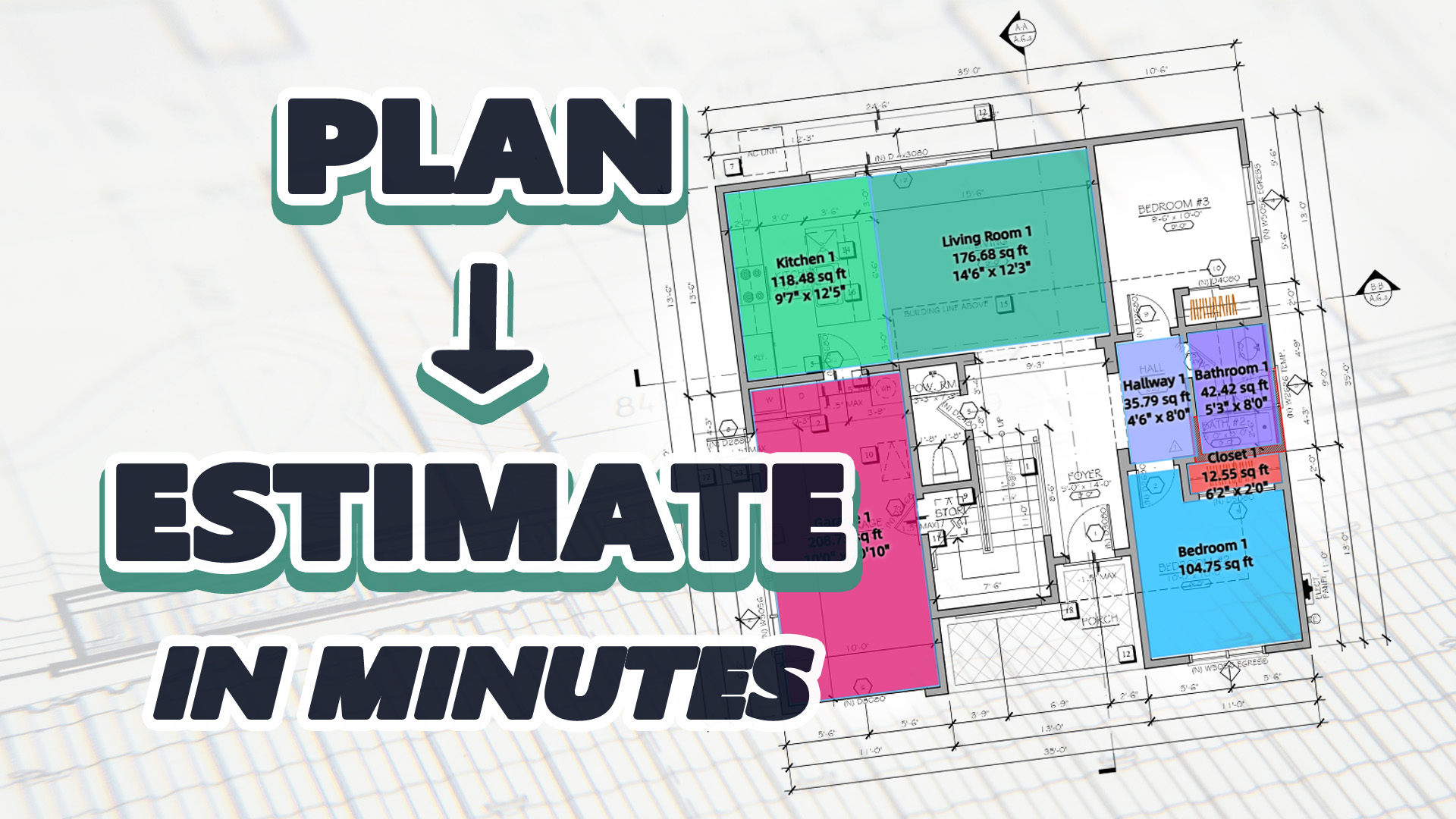
At Quotr.ai, we are building at the intersection of everything that came up on Wednesday night. Our platform is designed to bring structure, speed, and confidence to construction workflows — connecting takeoffs, estimates, and pricing into a single system built on reliable data.
The conversations we had at this event reinforced why we do what we do. Developers are not looking for another disconnected tool. They are looking for a system that helps them build with confidence — from the first number to the final build.
That is exactly what we are building.
More Conversations to Come
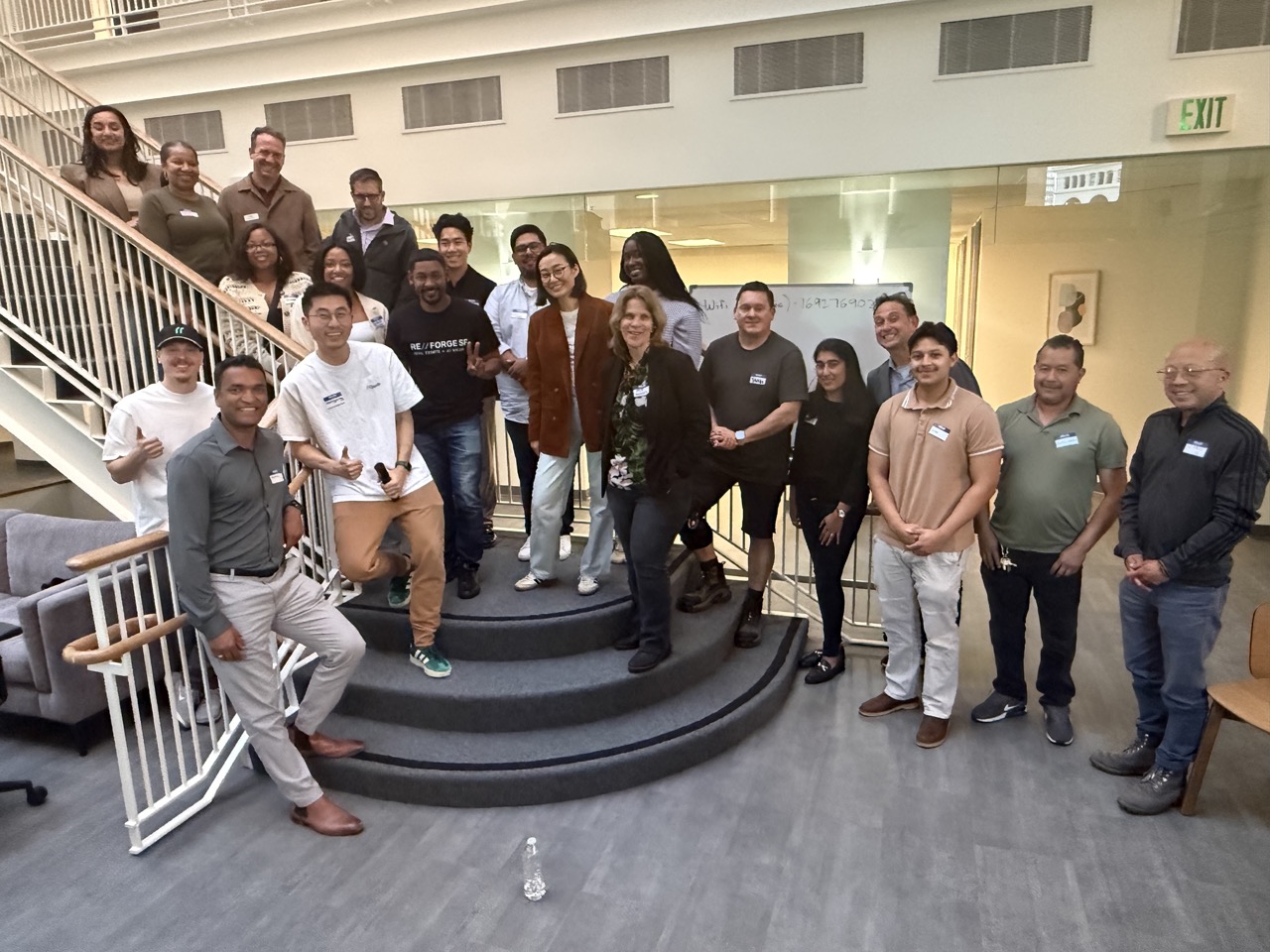
Building Smarter was our first event and it will not be our last. We are grateful to RE//Forge SF for the partnership, to our speakers Ashish Agrawal and Jonathan Chang for bringing their honest perspective to the stage, and to every developer and investor who showed up and made the room what it was.
If you want to stay connected to future events and conversations, follow Quotr.ai and keep an eye on what is coming next.
The shift is happening. We are glad to be building through it with you.
Interested in how Quotr.ai can bring more predictability to your construction workflows? Book a walkthrough and see what it looks like on a real project.