From Tokyo to Osaka: What Quotr Learned at Global Startup EXPO 2026
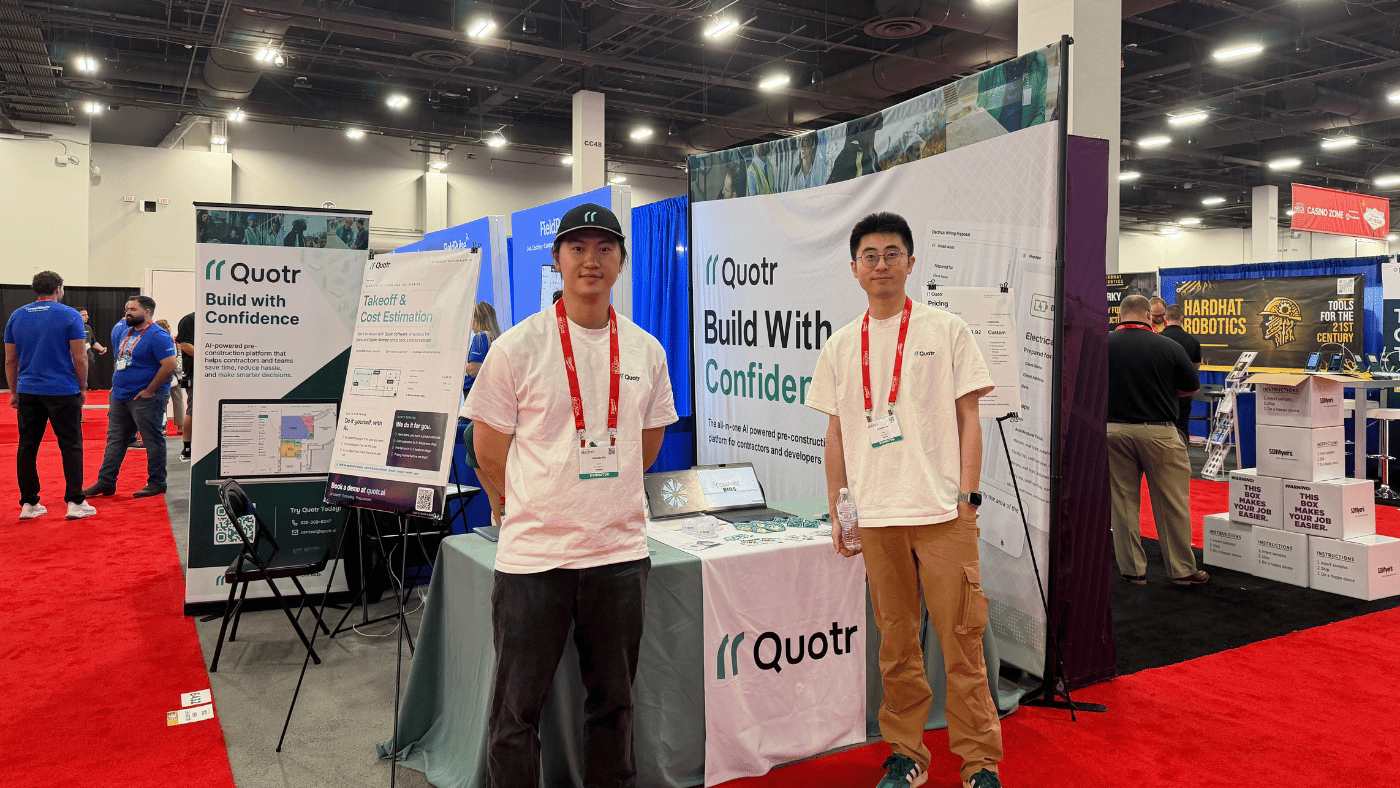
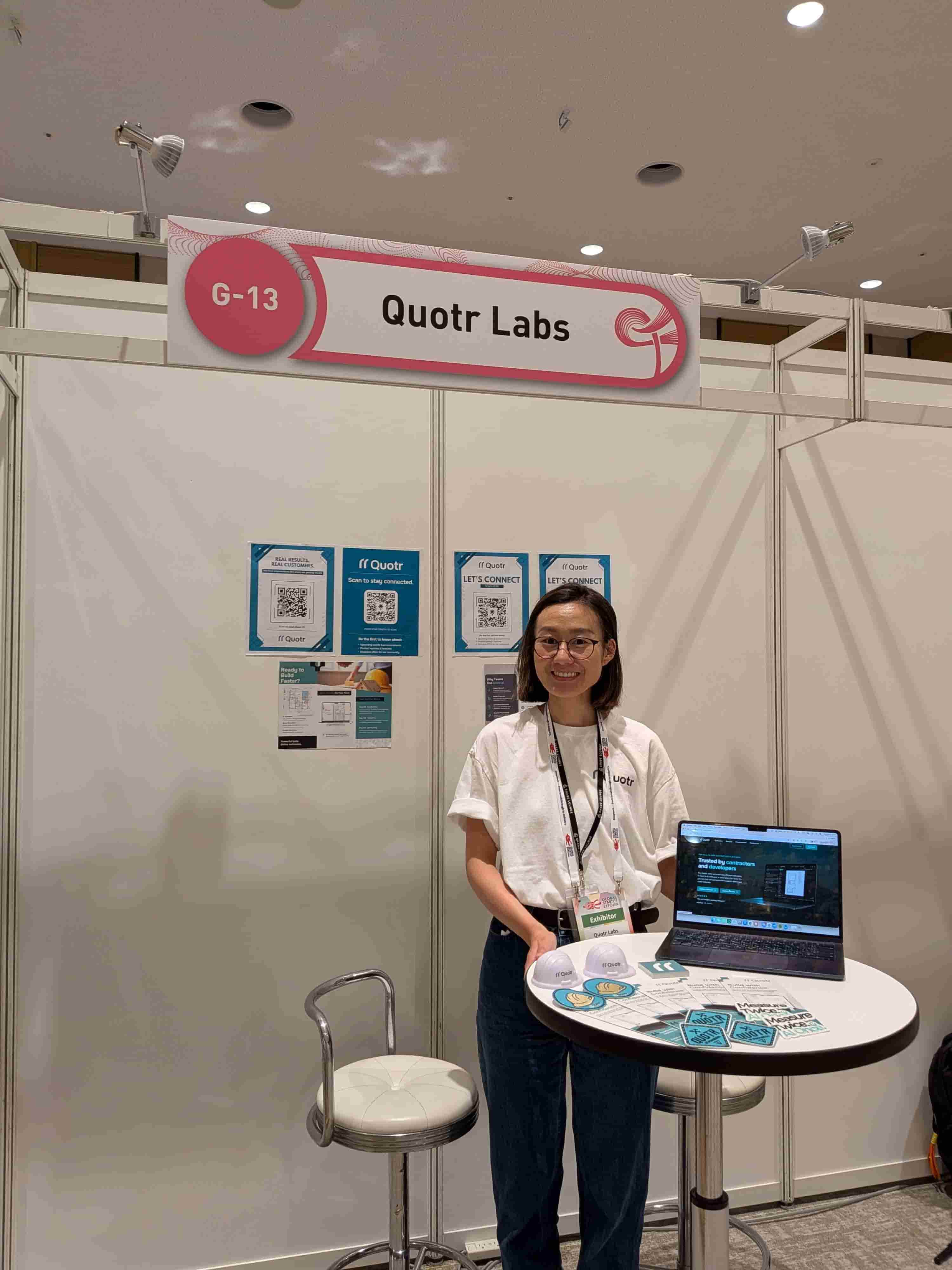
Earlier this month, Quotr exhibited at Global Startup EXPO 2026 (GSE 2026), held October 5–7 in the Umekita area of Osaka. Over three days we spoke with hundreds of attendees, from Japan’s largest builders to government officials, and came home with a much clearer picture of where Japan’s construction and infrastructure industry is heading.
First stop: ANDPAD in Tokyo
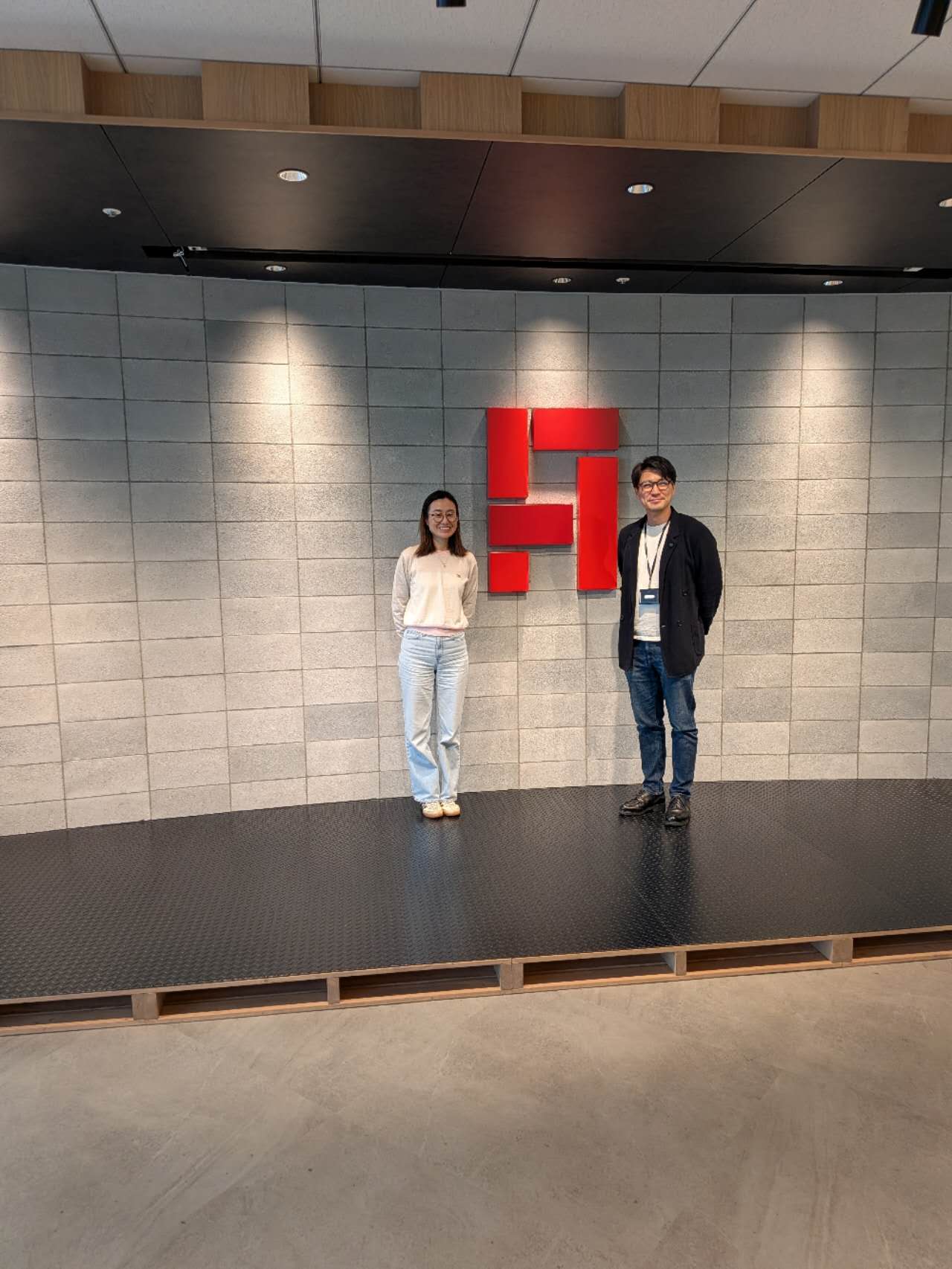
Before heading to Osaka, we stopped in Tokyo to visit ANDPAD, one of Japan’s leading construction-tech companies. It was a genuine two-way exchange. We walked each other through our technology, traded ideas on product direction, and compared notes on how the construction markets in Japan and the US differ.
It was the perfect warm-up. Hearing directly from a team that has built for Japanese contractors gave us context we simply could not have picked up from market reports, and it shaped the conversations we went on to have at the show.
At the booth: hundreds of conversations
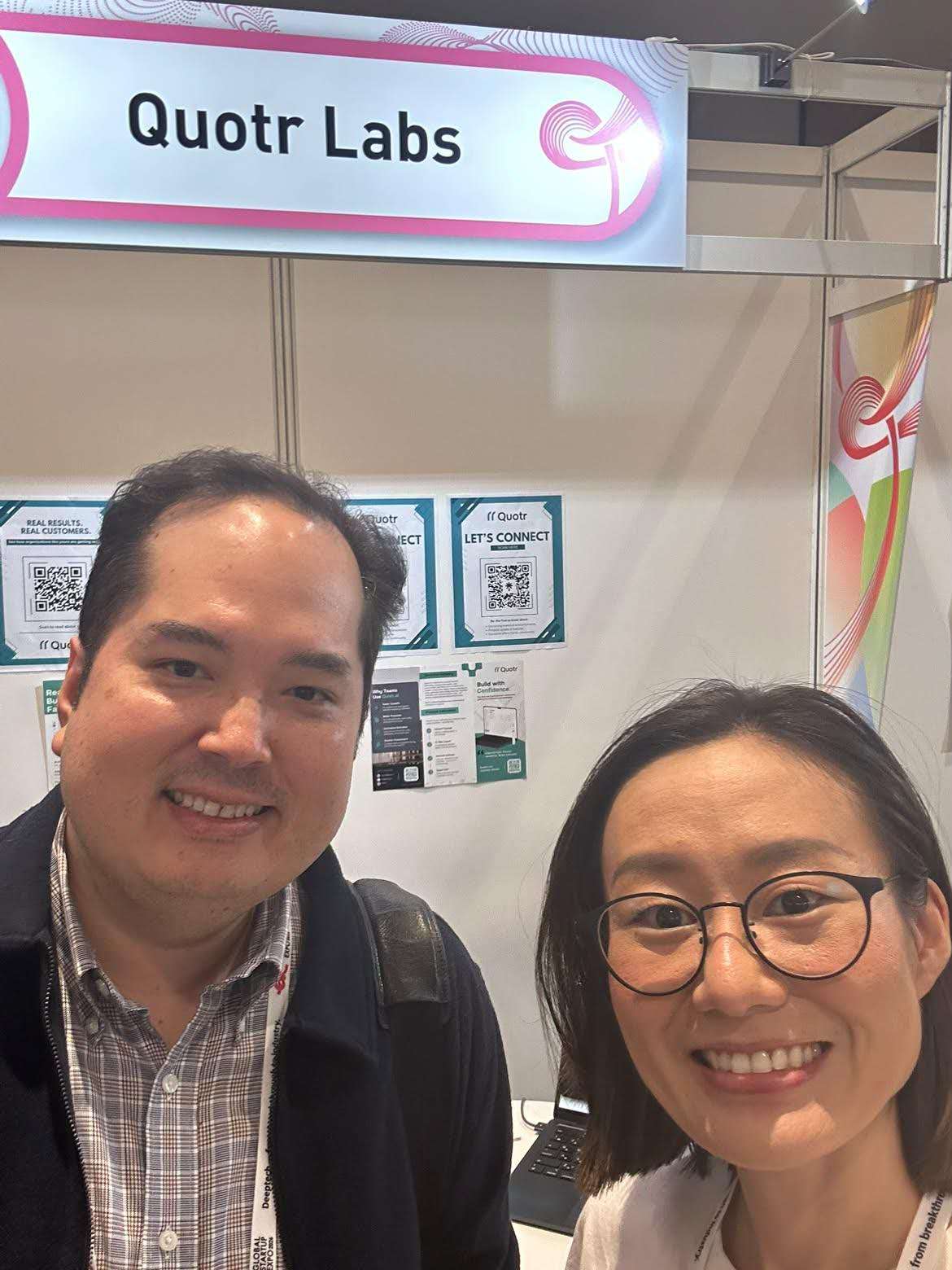
The Quotr booth stayed busy all three days. Among the many visitors were some of the most respected names in the industry: Shimizu Corporation, Sekisui House, Sumitomo, Toho Leo Corporation, and GS E&C, joining from Korea.
We were also glad to meet many government officials whose job is to help new technology companies enter the Japanese market. Their message was consistent: Japan wants international innovators, and there is real support available for those willing to commit to the market.
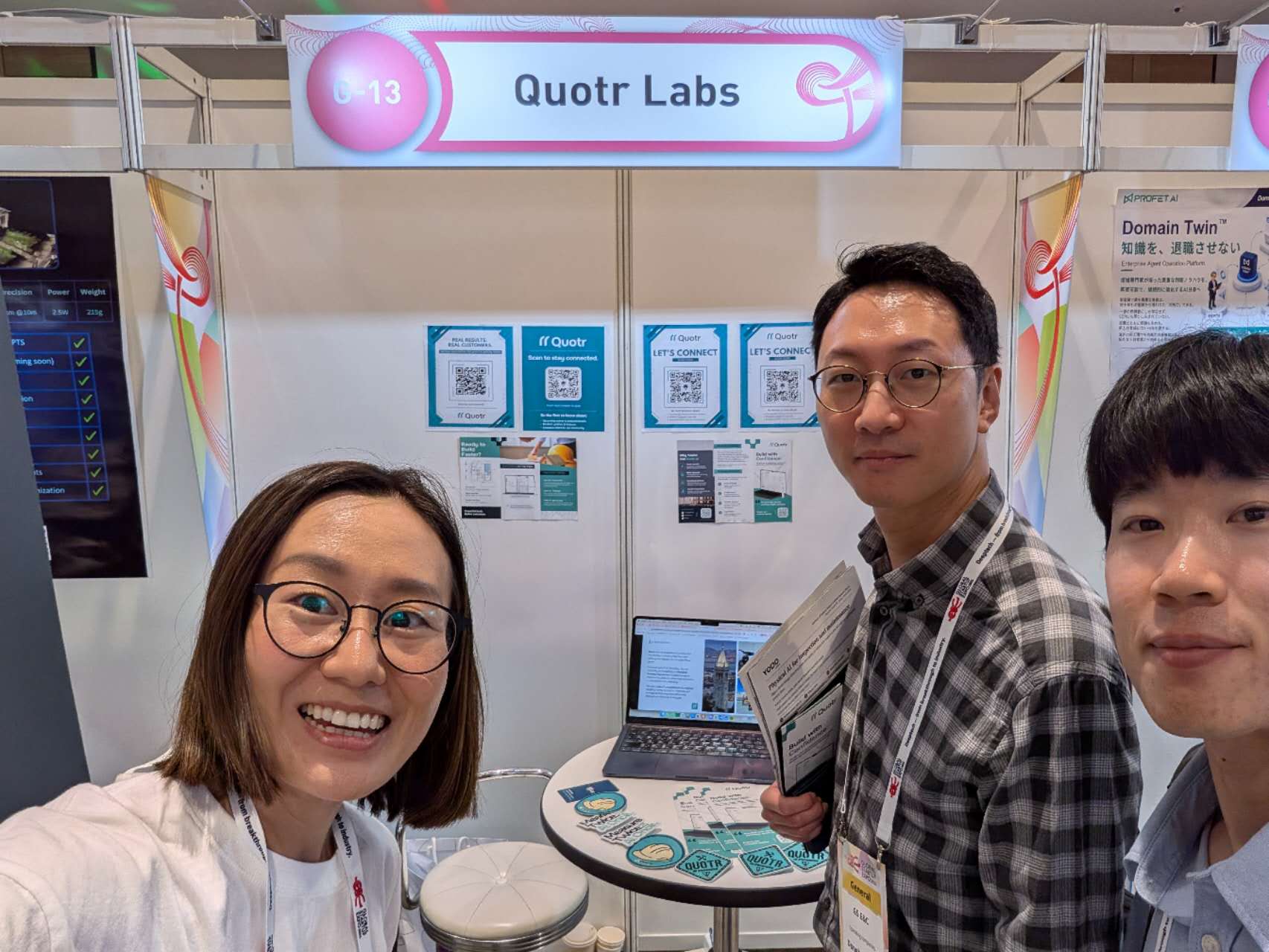
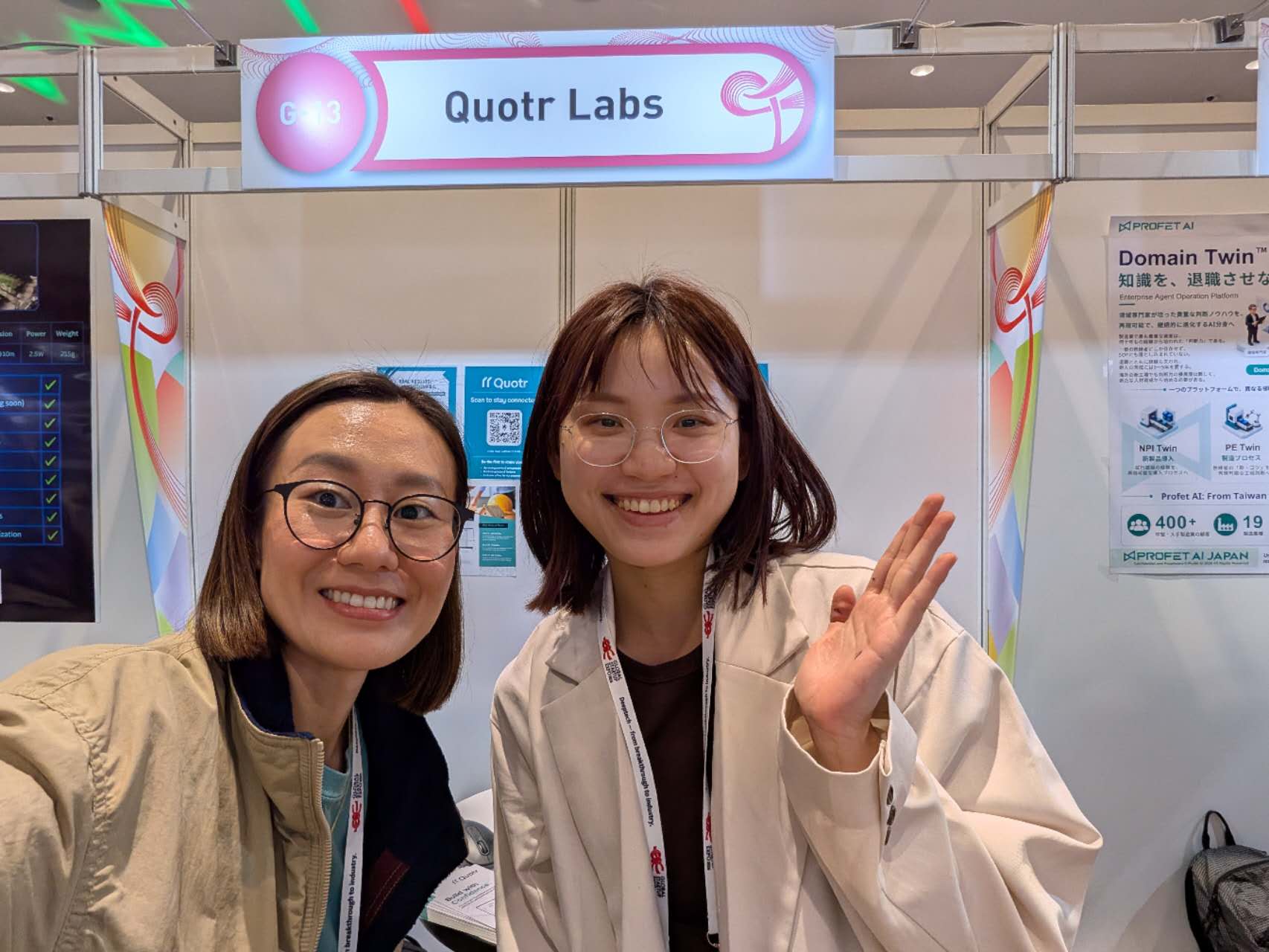
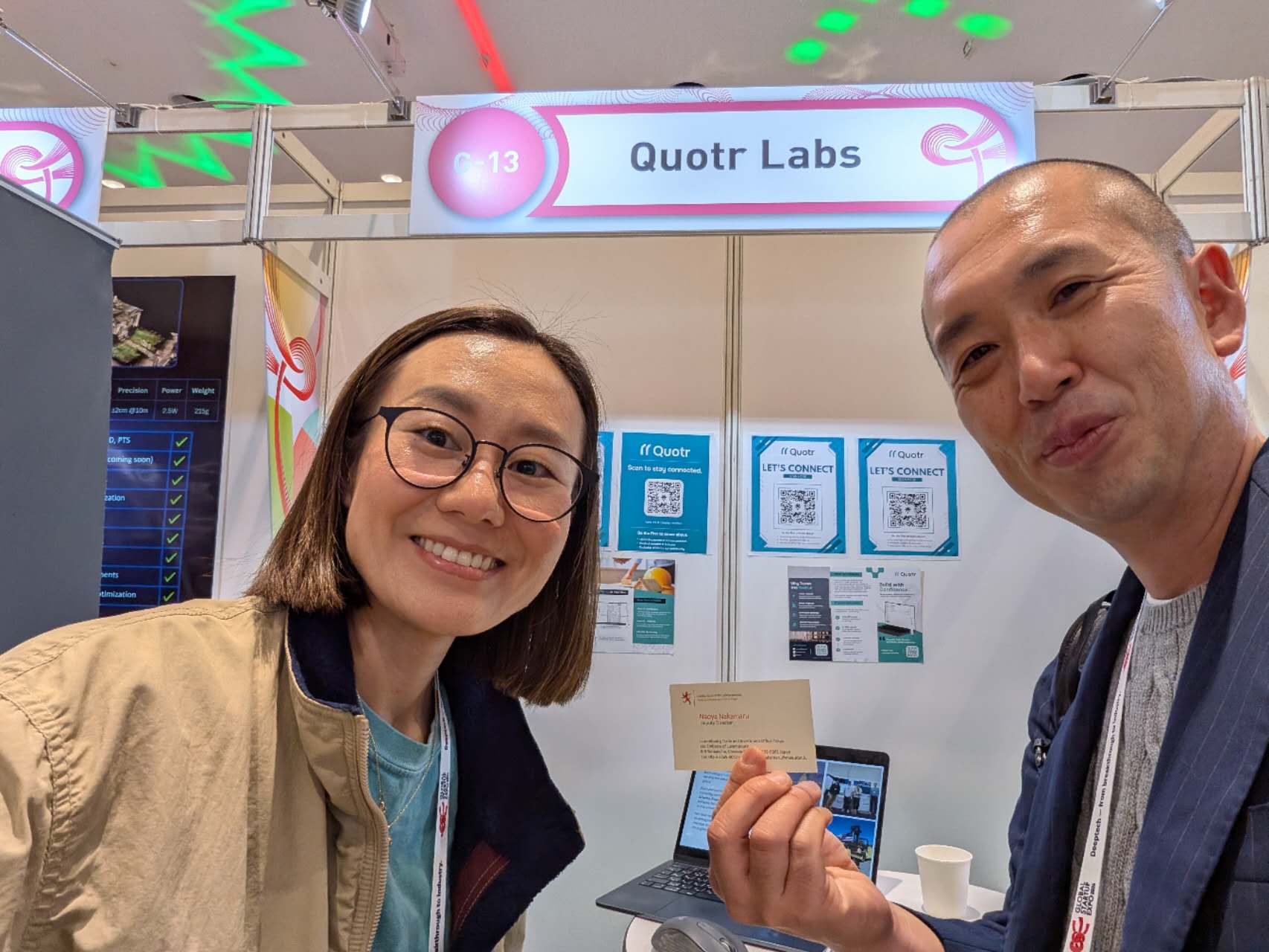
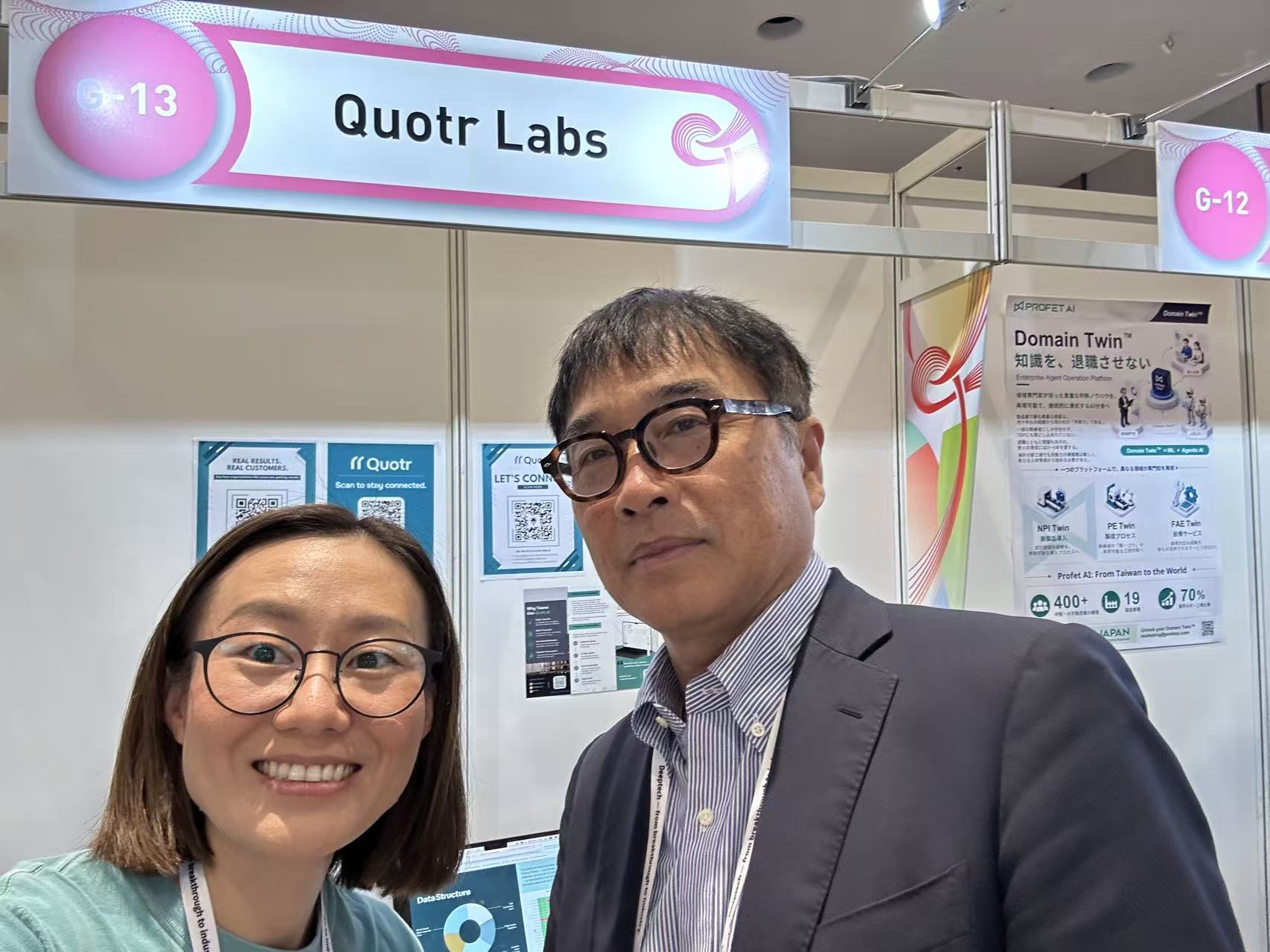
With JETRO and Berkeley SkyDeck
None of this would have happened without JETRO, who invited us to GSE 2026 and opened the door to a market full of innovation and new initiatives. We were proud to join them in Osaka and grateful for the introductions they made along the way.
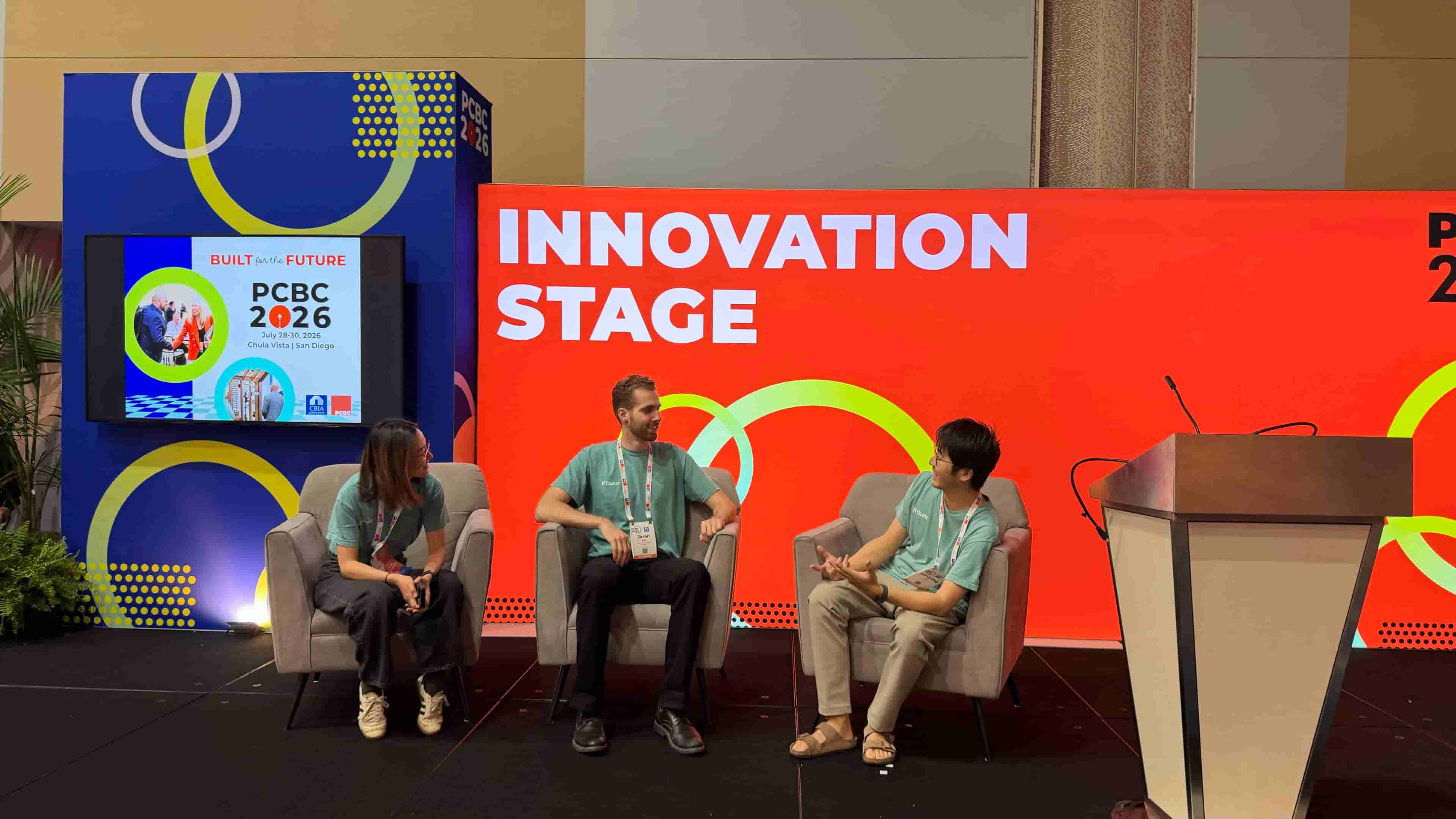
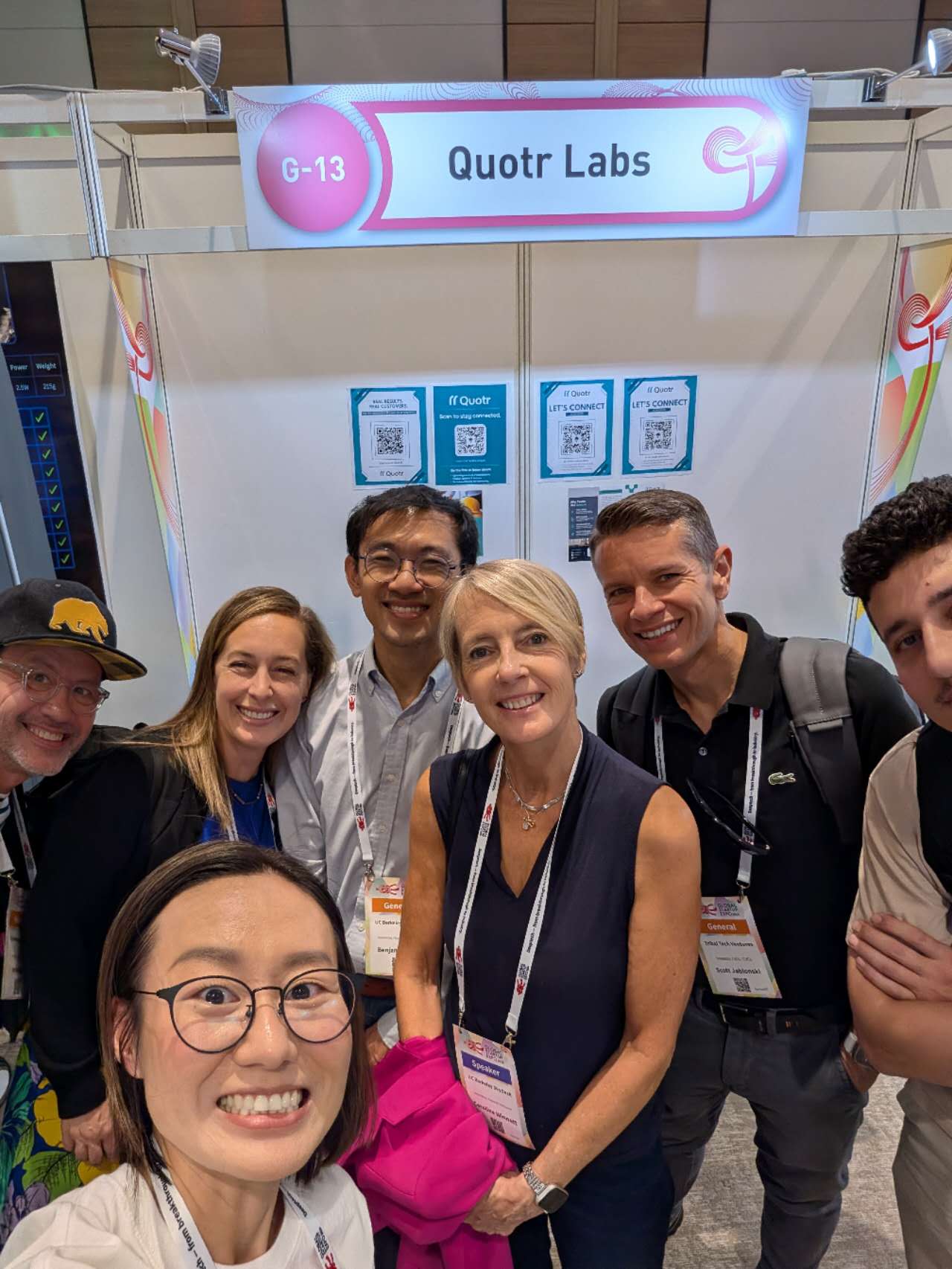
As a Berkeley SkyDeck company, we were also lucky to represent the SkyDeck alumni community at the show. A highlight was watching Caroline take the stage to share how the startup ecosystem works in the States, a reminder of how much the US and Japanese ecosystems can learn from each other.
What we saw: AI in the physical world
Our biggest takeaway is clear: Japan is paying close attention to AI, and it wants more of it in infrastructure development. The focus is not AI on a screen. It is physical AI, deployed in the field, solving real problems.
The stages reflected Japan’s wider priorities. Health tech drew attention given the country’s long-running challenge of an aging society. Defense tech had its moment too, shaped by a changing global landscape. But what struck us most was the open-mindedness: a real willingness to adopt new technology, as long as it works on actual job sites.
The problems people brought to our booth were concrete and very human:
- Preserving institutional knowledge. How does a company keep decades of history and know-how alive as experienced staff retire?
- Onboarding junior staff. How do you teach new team members quickly and consistently, without pulling veterans off the job?
These are exactly the kinds of problems where AI can earn its place, not as a novelty, but as a tool that captures expertise and puts it in the hands of the next generation.
We left Japan energized. The appetite for practical, field-ready AI is real, and the industry leaders we met are ready to have serious conversations about it.
Thank you to JETRO for the invitation, to ANDPAD for a generous and open exchange, to Berkeley SkyDeck for the community behind us, and to everyone who stopped by the Quotr booth. We look forward to continuing these conversations and to coming back to Japan soon.
If you met us at GSE 2026, or want to talk about AI in construction, we would love to hear from you.