Why the Math Doesn't Work Anymore for Small Home Investors, and How to Stay Ahead of It
Interest rates aren’t dropping meaningfully anytime soon. That single fact is doing more damage to the flipping and small-investor housing model than most people underwriting deals right now are pricing in.
Here’s the chain of logic, and why it matters for anyone buying a lot or a distressed property today.
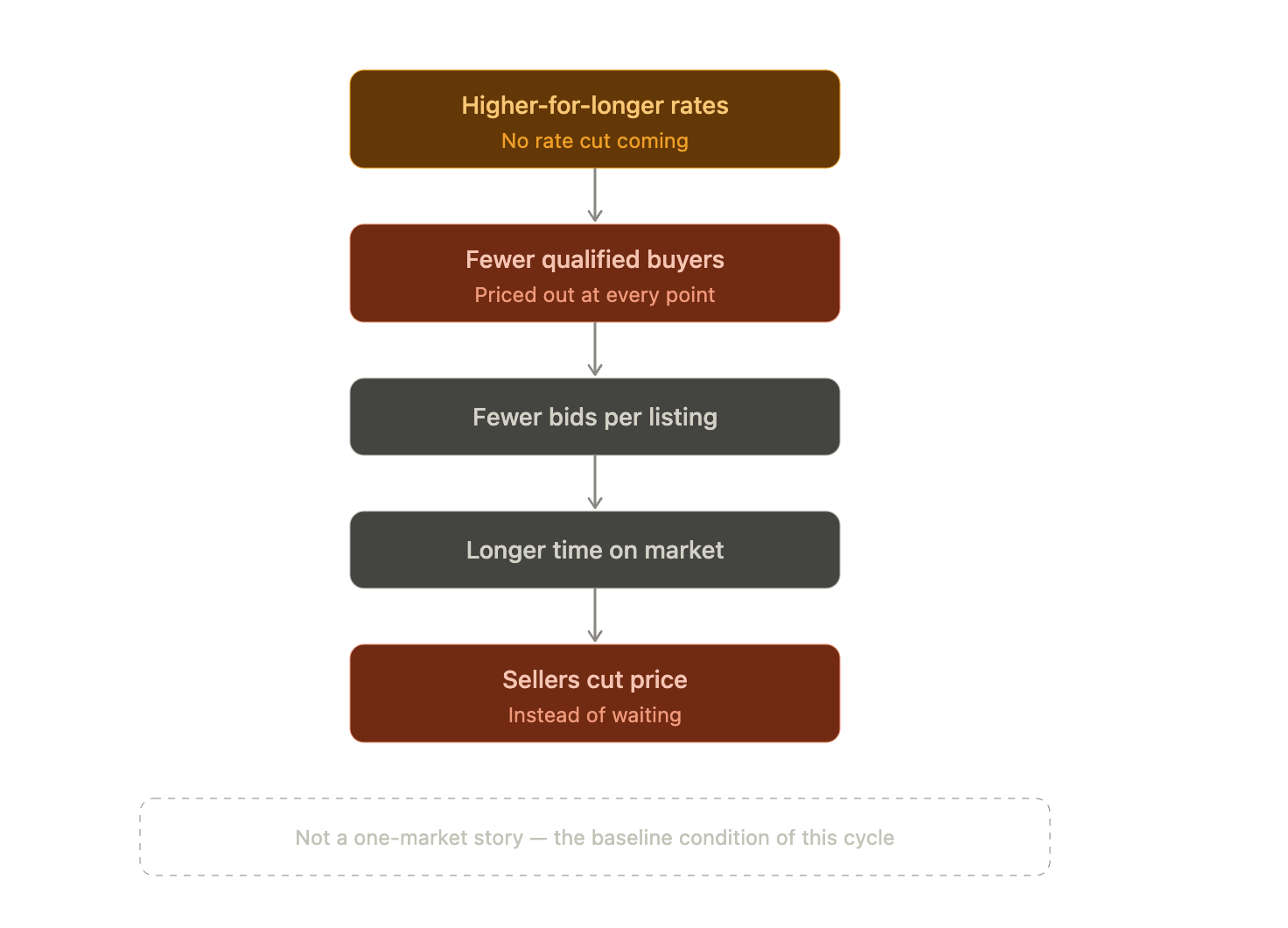
Rates stay high → demand stays suppressed
Higher-for-longer rates price out a meaningful share of buyers at every price point. Fewer qualified buyers means fewer bids, longer time on market, and sellers eventually cutting price instead of waiting for a rate cut that isn’t coming. That’s not a one-market story — it’s the baseline condition of this cycle.
Suppressed demand → prices keep sliding, unevenly
Once demand softens, prices don’t just flatten — they decline, and they decline fastest in the metros that ran hottest during the pandemic buying boom. Recent FHFA data puts this in stark relief: the Cape Coral–Fort Myers, Florida metro posted a 10.8% year-over-year price decline as of Q3 2025, the steepest of any large U.S. metro. It’s not alone.
| Metro Area | YoY Home Price Change (Q3 2025) |
|---|---|
| Cape Coral–Fort Myers, FL | −10.8% |
| North Port–Bradenton–Sarasota, FL | −7.0% |
| St. Petersburg–Clearwater–Largo, FL | −5.8% |
| Lakeland–Winter Haven, FL | −4.7% |
| Austin–Round Rock–San Marcos, TX | −3.9% |
| San Jose–Sunnyvale–Santa Clara, CA | −3.7% |
| San Francisco–San Mateo–Redwood City, CA | −3.4% |
| Oakland–Fremont–Berkeley, CA | −3.1% |
| El Paso, TX | −2.9% |
| Miami–Miami Beach–Kendall, FL | −2.6% |
Source: U.S. FHFA House Price Index, Q3 2025, purchase-only index.
Notice something: this list isn’t limited to overbuilt Sun Belt markets. Coastal California metros with chronic supply constraints are on it too. When even historically supply-starved markets are seeing 3%+ declines, that’s a demand story, not a local oversupply story.
Declining prices → the financing built for a rising market breaks
Here’s the part that gets less attention. Over the last decade, a new layer of “private lending” scaled up specifically to fund small investors buying lots and building or renovating homes — financing up to 90% of a project at rates as low as 8%, underwritten against the projected value of the home once finished. That market grew to more than $145 billion in originations in 2025 [CITATION NEEDED]. It was built almost entirely during a period when home values only went up.
It has never been tested in a real downturn — and it’s being tested now. Private lenders have started foreclosure proceedings on 7.4% of a large 2023 loan cohort [CITATION NEEDED], versus a typical mortgage default rate under 2%. Foreclosure filings on this kind of loan are up 82% nationally over the past two years [CITATION NEEDED]. That’s what happens when a financing model’s core assumption — rising exit values — stops holding.
Where that leaves the math
Put these three things together — rates not dropping, prices sliding, and financing that assumed they wouldn’t — and the old rule-of-thumb flip math stops working. A 30–35% equity cushion baked into a construction loan disappears fast when the finished home is worth 5–10% less than projected. A budget that runs 10% over doesn’t just eat into a comfortable margin anymore; in a lot of markets, it wipes it out entirely.
The investors getting hurt worst aren’t the sophisticated ones. They’re the small, first-time buyers — professionals moonlighting as landlords, retirees chasing yield — who leaned on a lender’s or a builder’s after-the-fact valuation instead of knowing their own numbers going in. In a market this unforgiving, the deal has to work on the numbers you control before you close: what the land actually costs, what construction actually costs in that specific market, and what cushion you have left if the resale price moves against you.
Why “getting a GC bid” isn’t the same as knowing your cost
There are general contractors in the market who can help small builders and investors understand what a project should cost. But those numbers are often anchored to historical pricing rather than an analysis of how volatile current market conditions actually are. And as project volume shrinks, many GCs are compressing their own margins just to win work — which raises a harder question: is the number they’re bidding even realistic?
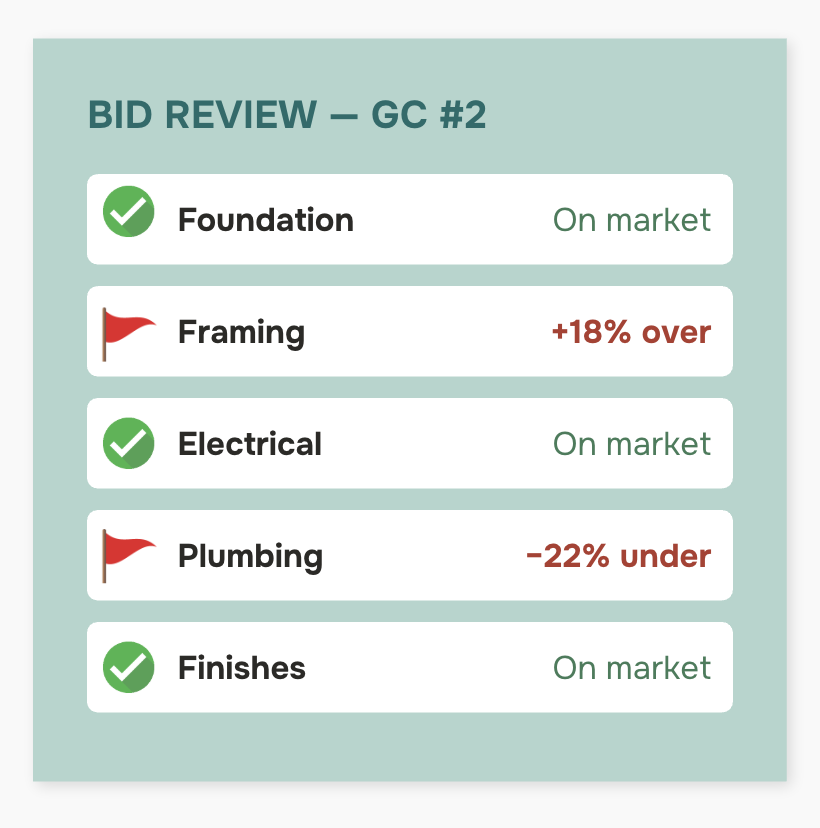
That matters beyond the individual deal, too. A bid that comes in noticeably below market can itself be a red flag to lenders, since unrealistically low numbers are often an early signal of change orders and cost overruns down the road.
Where Quotr.ai fits
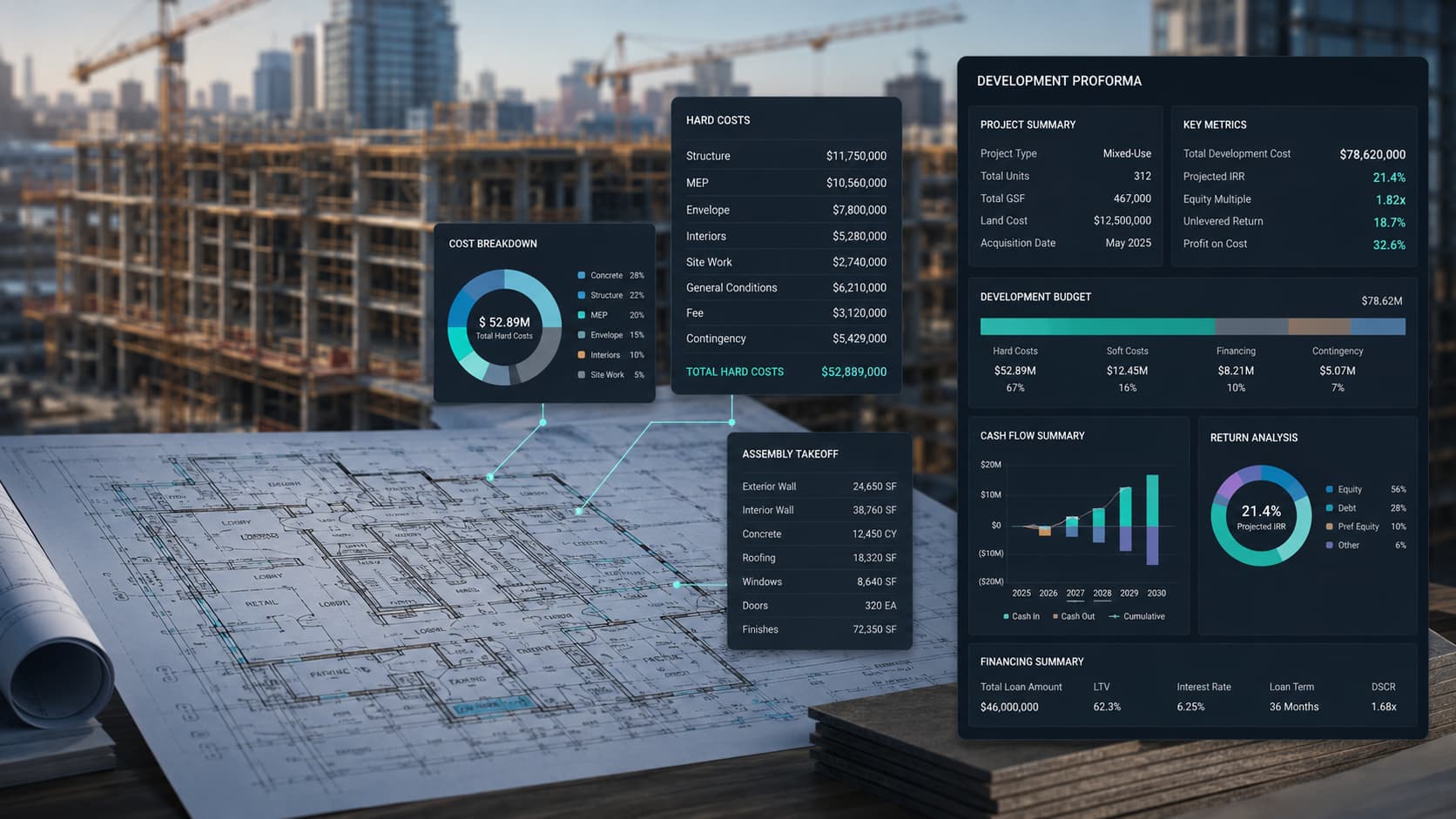
That’s the discipline Quotr.ai is built around — getting investors a real, itemized cost picture before they buy, not after. When rates aren’t going to bail out a bad assumption, the only thing that will is knowing your true cost basis from day one and feeding that number into your pro forma, not a rule of thumb.
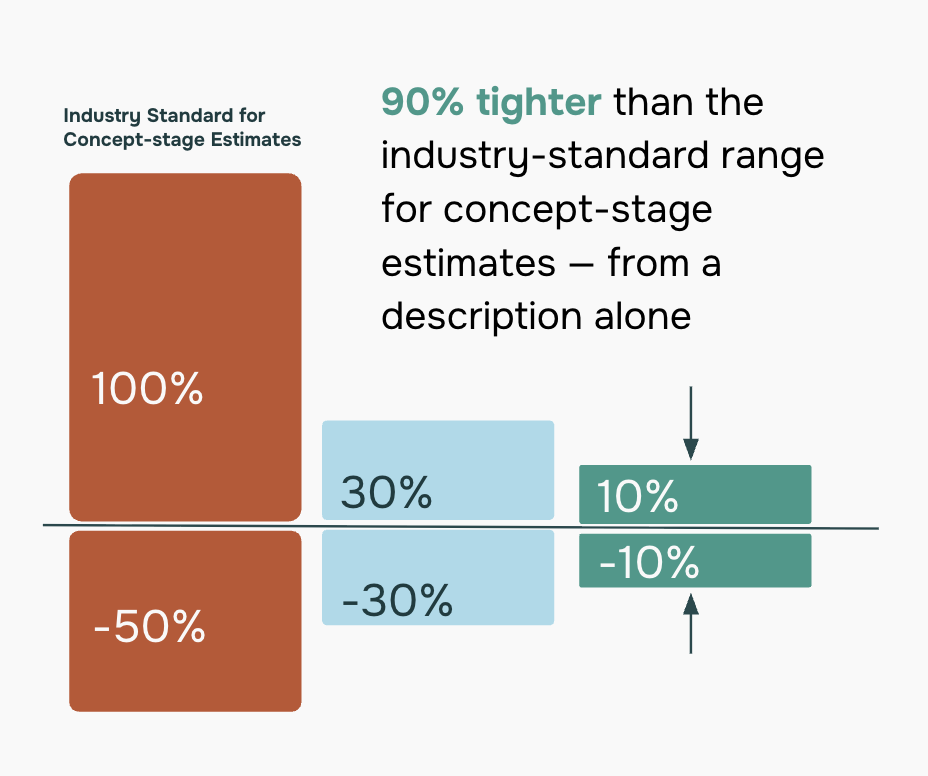
We work in three stages. Early on, with only rough drawings to go on, we give owners a directional estimate to sanity-check a deal before they commit. This early estimate is accurate to within ±10% based on Quotr internal benchmarking — tight for an early, rough-drawings estimate.
Once detailed drawings exist, we help owners evaluate GC bids against a realistic, current market benchmark, not a historical average.
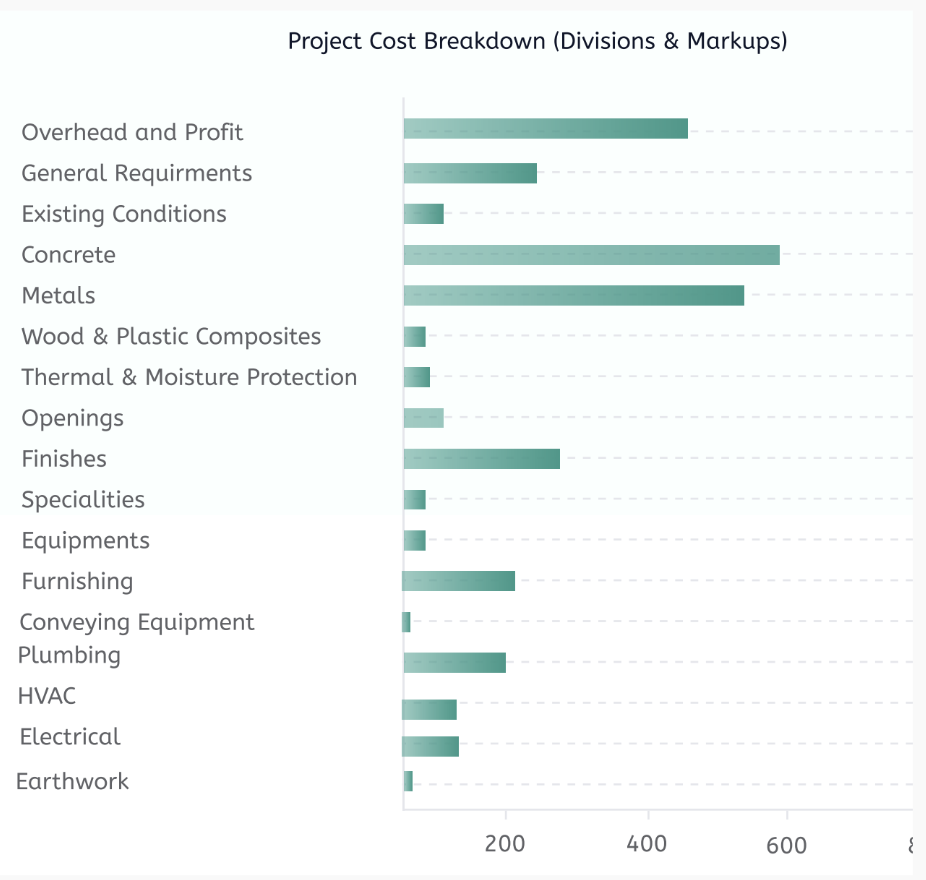
And at the value-engineering stage, we break down cost by trade, so owners can see exactly which trades are driving cost up and get support sourcing and procuring the ones where there’s room to bring it down.
Want to go deeper on how to build this into your underwriting? Check out the recording of our Pro Forma Virtual Seminar from June: From Bids to Deals: Understanding Pro Forma | Quotr.ai Webinar.
If you’re weighing a lot or a distressed property right now, talk to us before you close — we’ll pressure-test the numbers you’re underwriting against current market cost.
Frequently asked questions
Is house flipping still profitable in 2026? House flipping is much harder in 2026 because mortgage rates remain high, home prices are sliding in many metros, and resale values often come in below projections. Flips only work now when the investor locks a true, itemized cost basis before buying rather than relying on a lender’s or builder’s after-the-fact valuation.
Why are home prices falling in Florida in 2025–2026? Florida metros are falling because higher-for-longer mortgage rates suppressed buyer demand in the areas that ran hottest during the pandemic boom. FHFA data shows Cape Coral–Fort Myers down 10.8% year-over-year in Q3 2025 — the steepest decline of any large U.S. metro — with several other Florida metros close behind.
How accurate should a construction cost estimate be before buying a property? Before you buy, aim for a directional estimate within about ±10% even from rough drawings, then tighten it as detailed plans arrive. An estimate at this accuracy lets you sanity-check a deal’s margin against downside resale scenarios before you commit capital, instead of discovering cost overruns after closing.
What is a private construction or fix-and-flip loan? A private construction loan is short-term financing from a non-bank lender, often covering up to 90% of a project and underwritten against the home’s projected finished value. It carries higher rates than a conventional mortgage and depends on rising exit values — which makes it risky when prices are falling.
Why isn’t a GC bid the same as knowing your cost? A GC bid reflects one contractor’s pricing, often anchored to historical costs and sometimes cut thin to win work in a slow market. A below-market bid can even flag likely change orders to lenders. Knowing your own independent, current-market cost basis protects your margin regardless of who bids.
Related reading
- The Construction Proforma Software Every Developer Should Use
- Developer Ground Truth #1: A GC’s Price Is Only a Snapshot
- Tariff-Aware Estimating: Baking Material Escalation Into Every Bid
References
- U.S. FHFA House Price Index, Q3 2025 report
- FHFA Q3 2025 news release (−10.8% Cape Coral, +2.2% national)
- ATTOM 2025 year-end foreclosure market report
Published on the Quotr.ai blog. Quotr.ai is an AI-powered construction estimation, takeoff, and procurement platform based in San Francisco.