How Vanderbilt University is Revolutionizing Construction Estimation with AI
Quotr.ai recently sat down with Professor Minh (Minh Nghiem, P.E., M.E.) from Vanderbilt University, introduced through UC Berkeley Extension, to discuss how he is adopting Quotr.ai in his classroom and teaching.
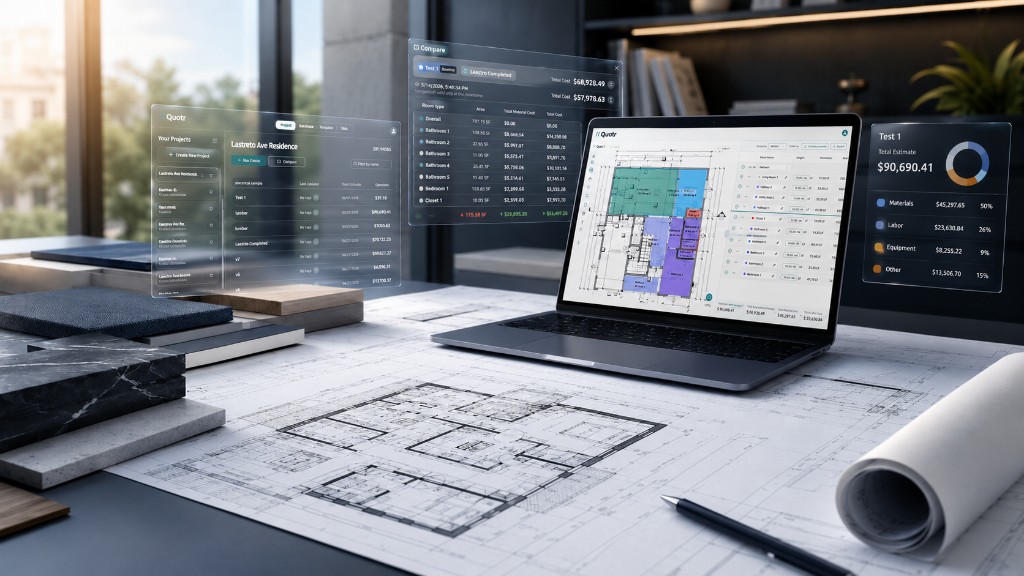
Throughout the conversation, Professor Minh reflects on the evolution of construction technology—from manual drafting to CAD to BIM—and explains why AI represents the next critical shift. Rather than replacing professionals, he sees tools like Quotr.ai as empowering estimators and contractors by reducing overhead, accelerating takeoffs, and giving smaller firms a competitive edge.
Watch the interview here:
Academic Leadership & Professional Expertise
Our guest speaker, Minh Nghiem, P.E., M.E., brings a unique dual perspective to the conversation as both an active industry professional and an educator.
- Vanderbilt University: Currently serving as an Adjunct Instructor in the Department of Civil and Environmental Engineering, Professor Minh teaches the next generation of civil engineers how to bridge the gap between traditional mechanics and modern technology.
- Professional Credentials: As a Licensed Professional Engineer (P.E.) with a Master of Engineering (M.E.), his insights into Quotr.ai are rooted in the rigorous technical and ethical standards required for modern infrastructure projects.
- UC Berkeley Extension: His work with the UC Berkeley Extension program highlights his commitment to continuing education and the adoption of AI in professional workflows.
Why Use Quotr.ai? Key Benefits for Modern Construction
Based on Professor Minh’s firsthand experience and the platform’s core capabilities, here is why industry leaders and academic institutions are making the shift to Quotr.ai:
- 90% Reduction in Takeoff Time: Automates the most tedious part of the estimation process, allowing teams to complete material counts in minutes rather than days.
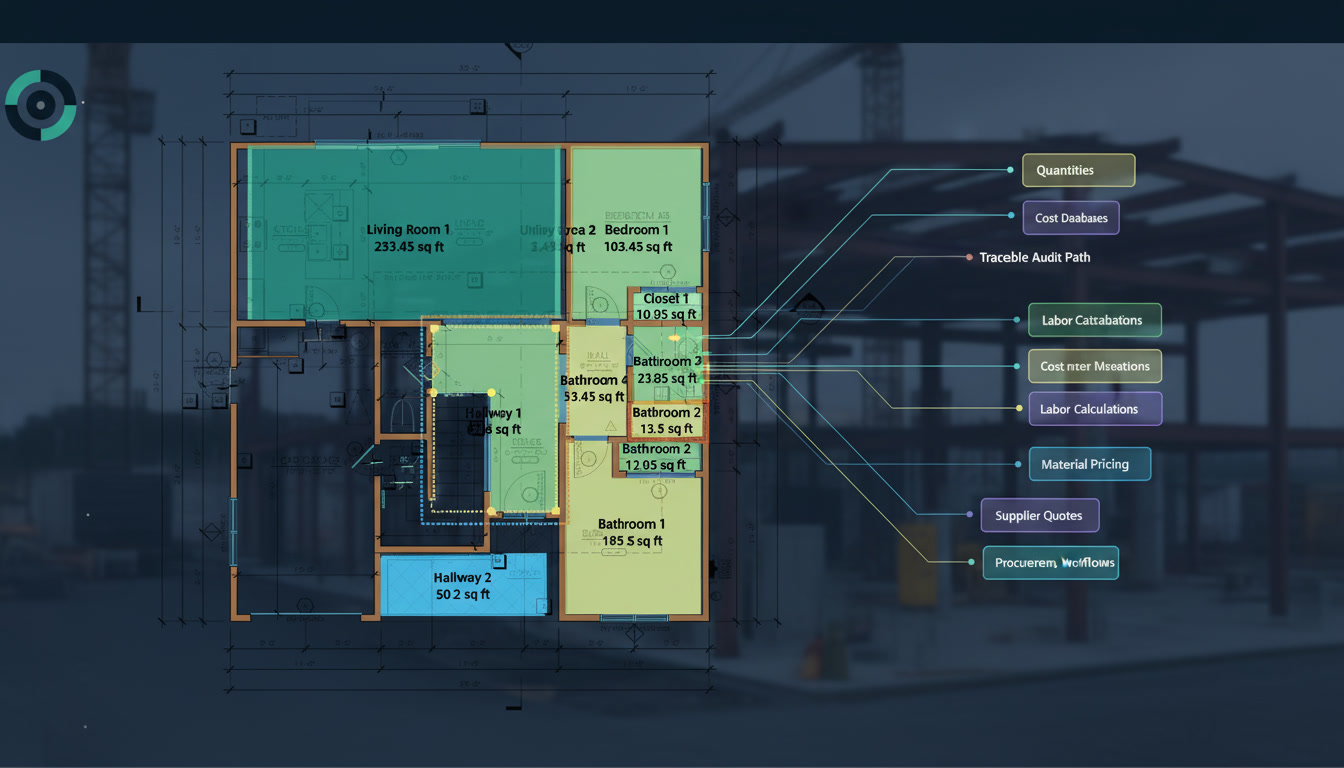
- Enhanced Bid Accuracy: Eliminates manual data entry errors by using AI to cross-reference digital blueprints with real-time material specs.
- Lower Operational Overhead: Enables smaller firms to compete for larger projects without the need to hire a massive team of full-time estimators.
- Seamless Digital Integration: Transitions workflows from outdated spreadsheets into a dynamic, cloud-based platform that bridges the gap between BIM and final procurement.
- Future-Proofing the Workforce: Provides a user-friendly interface that helps new engineers and seasoned professionals alike adapt to AI-driven industry standards.
- Increased Competitive Edge: Faster turnarounds mean more bids submitted, significantly increasing the probability of winning new contracts.
Preparing the Next Generation of Estimators
Most importantly, Professor Minh emphasizes preparing students early. By introducing AI-driven tools in the classroom, students gain confidence navigating emerging platforms, develop adaptability, and enter the workforce ready to leverage technology instead of fearing it. As Professor Minh notes, the future of AI in construction isn’t coming—it’s already here.
Frequently Asked Questions: AI in Construction Estimation
How is AI used in construction estimation? AI is used to automate the “takeoff” process by scanning blueprints and architectural drawings to identify materials and quantities instantly. It reduces human error and calculates costs based on real-time market data.
Will AI replace construction estimators? No. AI is a tool for empowerment, not replacement. It handles repetitive, data-heavy tasks, allowing human estimators to focus on strategy, risk management, and value engineering.
What are the benefits of using AI for small construction firms? AI-powered platforms like Quotr.ai give smaller firms a competitive edge by significantly reducing overhead. It allows them to bid on more projects with the same amount of staff, ensuring high accuracy and faster turnaround times.
Published on the Quotr.ai blog. Quotr.ai is an AI-powered construction estimation, takeoff, and procurement platform based in San Francisco.